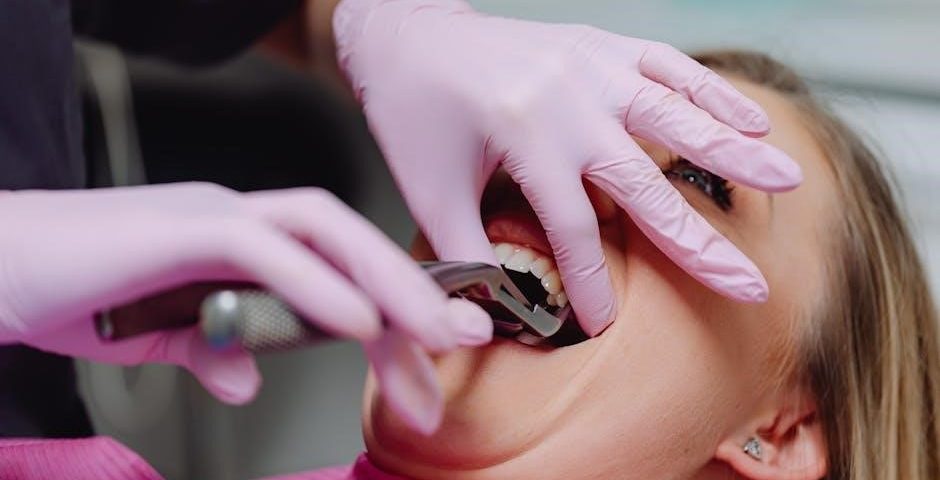
Article Plan: Post-Op Instructions for Tooth Extraction (as of 02/26/2026)
This comprehensive guide details essential post-extraction care‚ covering healing timelines‚ complication prevention‚ and dietary/activity adjustments for optimal recovery.
Recovering from a tooth extraction requires diligent aftercare to ensure proper healing and prevent complications like dry socket or infection. Following your dentist’s instructions is paramount. This guide provides detailed guidance on managing pain‚ swelling‚ and oral hygiene in the days following the procedure. A smooth recovery involves understanding the healing process‚ adhering to dietary restrictions‚ and recognizing potential issues requiring immediate dental attention. Prioritizing rest and avoiding strenuous activity are also crucial for optimal healing and minimizing discomfort.
Why Tooth Extraction is Sometimes Necessary

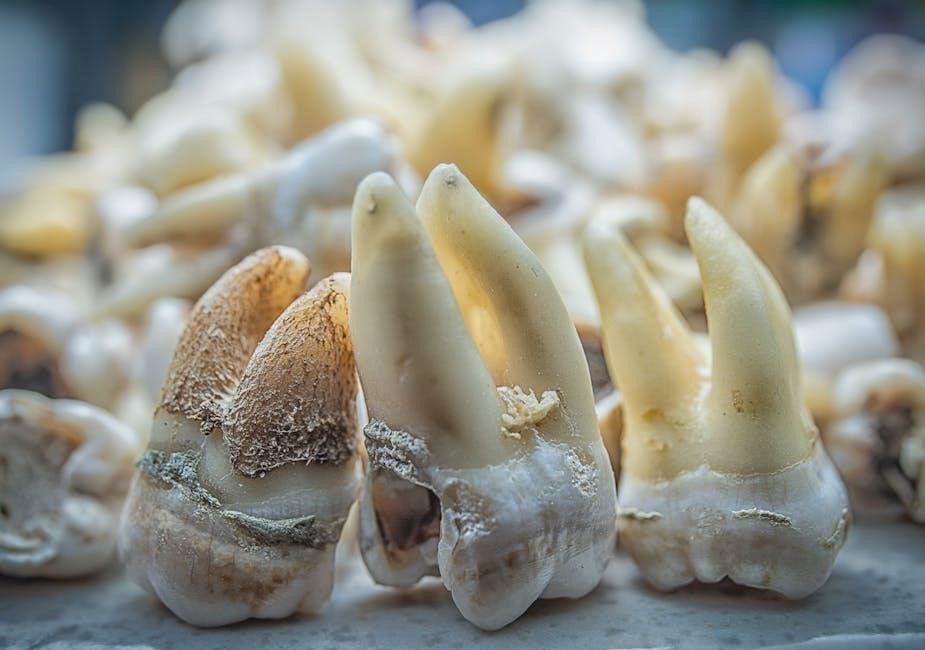
While dentists prioritize saving natural teeth‚ extraction becomes necessary when restorative treatments fail. Significant damage beyond repair‚ often due to severe decay or trauma‚ necessitates removal. Common reasons include infections unresponsive to antibiotics‚ advanced periodontal disease causing tooth instability‚ and overcrowding preventing proper alignment. Extraction creates space for orthodontic treatment or prevents further complications impacting surrounding teeth‚ ensuring long-term oral health and functionality.
Damage Beyond Repair
Extensive tooth damage‚ whether from deep decay‚ fractures‚ or significant trauma‚ can render a tooth unrestorable. When the damage compromises the tooth’s structural integrity‚ fillings or crowns are insufficient. This irreparable damage can lead to persistent pain‚ infection risk‚ and potential harm to adjacent teeth. In such cases‚ extraction prevents further complications and protects overall oral health‚ paving the way for potential replacement options.
Common Reasons for Extraction (Infection‚ Periodontal Disease‚ Crowding)
Tooth extractions are frequently necessitated by infection unresponsive to antibiotics‚ advanced periodontal (gum) disease causing significant bone loss‚ or severe overcrowding. Impacted wisdom teeth often require removal due to limited space and potential for cysts or damage to neighboring teeth. These conditions compromise oral health‚ and extraction offers relief and prevents further deterioration‚ ensuring a healthier dental landscape.
Immediate Post-Extraction Care (First 24 Hours)
The initial 24 hours are crucial for successful healing. Firmly bite down on gauze for 30-60 minutes to control bleeding‚ changing it as needed. Focus on pain management with prescribed or over-the-counter medications. Avoid rinsing vigorously; gentle care is key. Rest is paramount‚ and limit physical exertion to minimize bleeding and promote clot formation at the extraction site.
Controlling Bleeding
Initial bleeding is normal‚ but manageable. Apply firm‚ consistent pressure by biting down on clean gauze pads for at least 30-60 minutes. Change the gauze as it becomes saturated; avoid frequently checking‚ as this disrupts clot formation. If bleeding persists beyond a few hours‚ apply a moistened tea bag (black tea contains tannic acid) to the site. Contact your dentist if excessive bleeding occurs.

Pain Management – Initial Stage
Manage discomfort with prescribed or over-the-counter pain relievers. Follow dosage instructions carefully. Initially‚ stronger prescription medications may be needed‚ transitioning to ibuprofen or acetaminophen as pain subsides. Avoid aspirin‚ which can increase bleeding. Applying ice packs externally also helps reduce pain and swelling. Don’t wait for the pain to become severe before taking medication.
Bite Down on Gauze
Immediately after extraction‚ firmly bite down on gauze pads placed over the socket. Maintain consistent pressure for 30-60 minutes to control bleeding. Replace the gauze if it becomes saturated. Avoid disturbing the clot that forms‚ as this is crucial for healing. Continue applying pressure intermittently for the first few hours‚ gradually reducing as bleeding diminishes.
Swelling Management
Post-extraction swelling is normal and typically peaks within 24-72 hours. Apply ice packs to the cheek in 20-minute intervals‚ alternating with 20 minutes off‚ during the first day. Elevate your head with pillows‚ even while sleeping‚ to minimize swelling. This combination of ice and elevation significantly reduces discomfort and promotes faster healing‚ aiding in a smoother recovery process.
Ice Pack Application – Timing and Duration
Apply ice packs to the outside of your cheek for 20 minutes‚ then remove for 20 minutes. Repeat this cycle for the first 24-48 hours post-extraction. Consistent‚ intermittent icing constricts blood vessels‚ minimizing swelling and discomfort. Avoid direct ice contact with skin; use a cloth barrier. After 48 hours‚ ice is less effective and warmth may be more soothing.
Elevating Your Head
For the first 24-48 hours‚ elevate your head as much as possible‚ even while resting. Use extra pillows to prop yourself up‚ aiming to keep your head higher than your heart. This reduces blood flow to the extraction site‚ minimizing swelling and discomfort. Avoid strenuous activity that could increase blood pressure and disrupt the healing process.
Medication Management
Follow your dentist’s instructions regarding pain relievers and antibiotics carefully. Prescription pain medication may be provided for severe discomfort‚ while over-the-counter options like ibuprofen or acetaminophen can manage milder pain. Antibiotics are prescribed only when infection risk is elevated‚ completing the full course is crucial. Never exceed recommended dosages‚ and inform your dentist of any existing medications or allergies.
Pain Relievers – Prescription vs. Over-the-Counter
Prescription pain relievers are typically reserved for more intense post-extraction discomfort‚ offering stronger analgesic effects. Over-the-counter options‚ such as ibuprofen or acetaminophen‚ effectively manage milder pain and inflammation. Always adhere to dosage guidelines‚ and avoid combining different pain relievers without consulting your dentist. Consider your pain level and medical history when choosing a suitable option.
Antibiotics – When are they Prescribed?
Antibiotics aren’t routinely prescribed after every tooth extraction‚ but are crucial in specific cases. Your dentist may prescribe them if the extraction was complex‚ involved infection‚ or if you have a compromised immune system. Completing the entire antibiotic course is vital‚ even if symptoms improve‚ to prevent recurring infection and antibiotic resistance. Report any allergic reactions immediately.

Dietary Guidelines – The First Few Days
Following a soft food diet is paramount for comfortable healing after a tooth extraction. Initially‚ liquids like broth and smoothies are best‚ progressing to applesauce‚ yogurt‚ and mashed potatoes. Avoid hard‚ crunchy‚ or spicy foods that can irritate the extraction site or dislodge blood clots. Staying hydrated is also key; drink plenty of water‚ but avoid using a straw.
Soft Food Choices (Examples)
Excellent soft food options post-extraction include applesauce‚ yogurt (without fruit pieces)‚ mashed potatoes‚ scrambled eggs‚ and well-cooked pasta. Smoothies are great‚ but avoid using a straw. Soups‚ especially broths and cream-based varieties‚ provide hydration and nutrients. Pudding and Jell-O are also gentle choices. Ensure foods are lukewarm or cool‚ avoiding anything excessively hot.
Foods to Avoid (Hard‚ Crunchy‚ Spicy)
Steer clear of hard or crunchy foods like nuts‚ chips‚ and raw vegetables‚ as they can disrupt the healing process. Avoid spicy foods‚ which can irritate the extraction site. Sticky candies and chewy textures should also be avoided. Refrain from consuming small grains like rice or seeds that can lodge in the socket. Prioritize gentle‚ easily digestible options during initial recovery phases.
Staying Hydrated
Adequate hydration is crucial for post-extraction healing‚ aiding in overall recovery and preventing dry mouth. Drink plenty of water throughout the day‚ but avoid using a straw‚ as the sucking motion can dislodge the blood clot. Clear broths and diluted juices are also good options. Limit sugary drinks‚ which can hinder healing. Maintaining hydration supports optimal tissue repair and minimizes discomfort.
Oral Hygiene – Gentle Cleaning
Maintaining oral hygiene is vital‚ but requires a gentle approach post-extraction. Avoid brushing directly over the extraction site for the first 24 hours to prevent clot disruption. After that‚ carefully brush other areas. Gently rinse your mouth with a saltwater solution (warm water and ½ teaspoon of salt) after meals to keep the area clean and promote healing. Avoid vigorous rinsing or mouthwash initially.
Avoiding the Extraction Site – First 24 Hours
Protecting the blood clot is paramount during the initial 24 hours. Directly avoid the extraction site when brushing or using any oral hygiene products. Do not poke at the area with your tongue or any object. Refrain from spitting forcefully‚ as this can dislodge the clot‚ potentially leading to dry socket. Gentle care is key to undisturbed healing during this critical phase.
Gentle Rinsing – Saltwater Solution
Starting 24 hours post-extraction‚ gently rinse your mouth with a warm saltwater solution. Dissolve ½ teaspoon of salt in 8 ounces of warm water. Rinse softly‚ allowing the water to flow around the extraction site without forceful swishing or spitting. Repeat this several times a day‚ especially after meals‚ to keep the area clean and promote healing.
Understanding Dry Socket
Dry socket‚ or alveolar osteitis‚ is a painful condition occurring when the blood clot at the extraction site dislodges prematurely. This exposes the bone and nerves‚ causing intense throbbing pain several days post-extraction. Symptoms include severe pain radiating to the ear‚ bad breath‚ and an unpleasant taste. Avoiding smoking‚ vigorous rinsing‚ and following post-op instructions are crucial for prevention.
What is Dry Socket? (Alveolar Osteitis)
Dry socket‚ clinically known as alveolar osteitis‚ is a frustrating complication following tooth extraction. Normally‚ a blood clot forms in the socket‚ protecting the bone and nerves as healing begins. However‚ premature clot dislodgement exposes underlying bone‚ leading to significant pain. It’s not an infection‚ but a disruption of the natural healing process‚ typically appearing 3-5 days after extraction.
Symptoms of Dry Socket
The hallmark symptom of dry socket is intense‚ throbbing pain radiating from the extraction site‚ often worsening several days post-procedure. Unlike typical post-op discomfort‚ this pain doesn’t subside with prescribed pain medication. You might also notice an unpleasant odor or a bad taste in your mouth emanating from the socket. Visible bone may be apparent‚ and pain can extend to the ear.
Preventing Dry Socket – Key Do’s and Don’ts
To minimize dry socket risk‚ strictly follow post-op instructions! Do gently bite down on gauze for 30-60 minutes‚ avoid vigorous rinsing or spitting for 24 hours‚ and refrain from using straws. Don’t smoke‚ as it impairs healing. Avoid hard‚ crunchy‚ or spicy foods. Prioritize soft food choices and maintain gentle oral hygiene‚ carefully avoiding the extraction site.
Activity Restrictions
Following extraction‚ prioritize rest and allow your body to heal. Avoid strenuous physical activity‚ including vigorous exercise‚ for at least 24-48 hours‚ potentially longer depending on the extraction’s complexity. Increased blood pressure from exertion can disrupt clot formation‚ increasing bleeding risk. Gentle walking is usually permissible‚ but listen to your body and avoid overexertion.
Avoiding Strenuous Activity
Refrain from intense physical exertion for several days post-extraction. This includes heavy lifting‚ running‚ and demanding workouts. Strenuous activity elevates blood pressure‚ potentially dislodging the blood clot crucial for healing and leading to a painful dry socket. Prioritize rest; gentle walks are acceptable‚ but avoid anything that significantly increases your heart rate or causes strain.
Rest and Recovery
Adequate rest is paramount for successful healing after a tooth extraction. Allow your body to focus its energy on recovery‚ minimizing stress and maximizing restorative processes. Plan for several days of reduced activity‚ prioritizing sleep and relaxation. Avoid unnecessary travel or commitments. A calm environment promotes faster healing and reduces the risk of complications‚ ensuring a smoother recovery period.
Long-Term Healing Timeline
Initial gum tissue healing typically occurs within a few weeks‚ though complete bone remodeling takes months. Expect gradual improvement in comfort and function. Socket closure varies‚ often taking several weeks to fully close. Follow your dentist’s guidance for optimal healing. Consistent aftercare and adherence to dietary recommendations significantly impact the long-term success of the extraction site’s recovery process.
Gum Healing Progression
Initially‚ expect some discomfort and swelling as the gums begin to contract. Over the first few days‚ a blood clot forms‚ initiating the healing process. Within a week‚ noticeable gum tissue reduction occurs. Continued gentle cleaning and saltwater rinses promote healthy tissue regeneration. Full gum healing‚ while visible within weeks‚ involves ongoing bone remodeling for complete stabilization.
Socket Closure – How Long Does it Take?
The initial blood clot within the extraction socket is crucial for healing. Complete bony closure isn’t immediate; soft tissue covers the socket within weeks. However‚ full bone fill takes several months‚ potentially up to a year. Factors like age‚ health‚ and socket size influence this timeline. Bone grafting can accelerate closure if needed‚ ensuring optimal structural support.
Potential Complications & When to Call Your Dentist
While rare‚ complications can occur post-extraction. Excessive bleeding‚ persisting beyond 24 hours‚ warrants a call. Signs of infection – fever‚ increased pain‚ swelling – require immediate attention. Persistent‚ unusual pain‚ beyond expected levels‚ should also be reported. Don’t hesitate to contact your dentist with any concerning symptoms; prompt intervention prevents escalation.
Excessive Bleeding – What’s Considered Excessive?
Some bleeding is normal for the first 24 hours. However‚ continuous‚ profuse bleeding – soaking through multiple gauze pads hourly – is excessive. If bleeding doesn’t diminish with firm pressure‚ or if bright red blood is actively flowing‚ contact your dentist immediately. Minor oozing is expected‚ but significant‚ uncontrolled hemorrhage requires professional evaluation and intervention.
Signs of Infection (Fever‚ Increased Pain‚ Swelling)
Watch for signs of infection post-extraction. A fever exceeding 100.4°F‚ significantly increased pain despite medication‚ and escalating swelling around the extraction site are concerning. Pus or a foul odor emanating from the area also indicates infection. Contact your dentist promptly if you experience these symptoms‚ as they may require antibiotic treatment to prevent further complications.
Persistent Pain – Beyond Expected Levels
Some post-extraction discomfort is normal‚ but persistent‚ severe pain warrants attention. If pain doesn’t subside within a few days with prescribed or over-the-counter medication‚ or if it intensifies unexpectedly‚ contact your dentist. This could indicate complications like dry socket or an underlying infection requiring immediate evaluation and appropriate treatment to ensure proper healing.
Smoking and Tooth Extraction Recovery
Smoking significantly hinders the healing process after tooth extraction. It reduces blood supply to the surgical site‚ delaying tissue regeneration and increasing the risk of complications like dry socket and infection. Abstaining from smoking for at least 72 hours‚ ideally longer‚ is crucial. Prolonged smoking can jeopardize successful healing and potentially lead to treatment failure.
Alcohol Consumption and Healing

Avoid alcohol consumption for at least 24-48 hours post-extraction‚ and ideally longer. Alcohol interferes with healing and can interact negatively with prescribed pain medications or antibiotics. It thins the blood‚ potentially increasing bleeding‚ and compromises the immune system‚ hindering the body’s natural healing response. Prioritize hydration and allow your body to focus on recovery.
Importance of Follow-Up Appointments
Scheduled follow-up appointments are crucial for monitoring your healing progress. Your dentist will assess the extraction site‚ ensuring proper clot formation and identifying any potential complications early on. These check-ups allow for timely intervention if needed‚ preventing issues like dry socket or infection. Don’t skip these appointments; they’re vital for a smooth and successful recovery.
Caring for the Extraction Site
Gentle care of the extraction site is paramount during recovery. Avoid disturbing the blood clot‚ as it’s essential for healing. Refrain from probing the area with your tongue or any objects. Initial cleaning involves gentle rinsing with saltwater after 24 hours. This helps keep the area clean and promotes tissue regeneration‚ minimizing infection risk and supporting optimal healing.
Managing Numbness
Numbness following extraction is common due to local anesthesia. Be cautious to avoid biting your cheek or tongue while numb. This sensation typically fades within a few hours‚ but can occasionally last longer. If prolonged numbness persists beyond the expected timeframe‚ contact your dentist for evaluation and guidance. Monitor carefully and report any concerns promptly.
Tooth Extraction Aftercare – A Summary
Successful recovery hinges on diligent aftercare. Control bleeding with gauze‚ manage pain with prescribed or over-the-counter medication‚ and minimize swelling using ice packs. Maintain gentle oral hygiene‚ avoiding the extraction site initially. Follow dietary guidelines – soft foods are key! Rest adequately and avoid strenuous activity. Promptly report any concerning symptoms to your dentist.
Wisdom Tooth Extraction Specifics
Wisdom tooth extractions often involve more post-operative discomfort due to their location and potential impaction. Expect increased swelling and jaw stiffness. Meticulous oral hygiene is crucial to prevent infection in the surgical site. Follow all prescribed medication schedules diligently. Be particularly cautious with diet‚ favoring liquids and very soft foods for an extended period.
Impact of Extraction on Adjacent Teeth
Tooth extraction can sometimes lead to shifting of neighboring teeth over time‚ potentially affecting your bite and alignment. Maintaining diligent oral hygiene is vital to support surrounding teeth. Consider discussing options like space maintainers or orthodontic treatment with your dentist to prevent unwanted movement. Regular dental check-ups are essential for monitoring any changes and ensuring long-term dental health.
Bone Grafting After Extraction – When is it Necessary?
If significant bone loss exists‚ or is anticipated‚ a bone graft may be recommended during or after extraction. This procedure helps preserve the jawbone’s structure‚ crucial for potential future tooth replacement like implants. Grafting supports the bone‚ preventing collapse and ensuring sufficient support for restorative procedures. Discuss suitability with your dentist‚ considering individual needs and long-term dental goals;
The Role of Proper Nutrition in Healing
Optimal healing post-extraction relies heavily on a nutrient-rich diet. Protein supports tissue repair‚ while vitamins C and D bolster the immune system and bone health. Staying hydrated is also vital for overall recovery. Avoid sugary foods that can hinder healing and potentially cause infection. Prioritize soft‚ easily digestible options to minimize discomfort and promote faster tissue regeneration.
Addressing Patient Anxiety Post-Extraction
Post-extraction anxiety is common; acknowledging these feelings is crucial. Reassure patients that discomfort is typically manageable with prescribed medication and proper care. Open communication with your dentist can alleviate concerns about healing or potential complications. Relaxation techniques‚ like deep breathing‚ can also help manage stress. Knowing what to expect during recovery reduces uncertainty and promotes peace of mind.

Common Questions About Tooth Extraction Recovery

Patients frequently ask about swelling duration‚ pain levels‚ and when they can return to normal activities. Concerns about dry socket are prevalent‚ so emphasize preventative measures. Many inquire about dietary restrictions and oral hygiene routines post-extraction. Understanding the healing timeline and potential complications is key. Don’t hesitate to contact your dentist with any persistent or worsening symptoms for prompt guidance.
Resources for Further Information
For detailed guidance‚ consult your dentist or oral surgeon directly. Stillwater Family Dental and Synergy Dental Clinics offer excellent online resources. Forbes Advisor provides insurance-related insights. Explore articles detailing aftercare‚ healing timelines‚ and complication prevention. Reputable dental associations and websites offer comprehensive information. Remember‚ personalized advice from your healthcare provider is always the most valuable resource for a smooth recovery.