
Sound Logic’s Bluetooth speaker offers wireless audio convenience, blending portability with robust sound․ This manual guides users through setup, operation, and troubleshooting, ensuring optimal enjoyment․
Overview of the Speaker’s Features
The Sound Logic Bluetooth Speaker boasts a compact and lightweight design, making it ideal for both indoor and outdoor use․ Its core feature is seamless Bluetooth connectivity, allowing wireless streaming from smartphones, tablets, and laptops within a range of up to 33 feet․ The integrated controls provide easy access to volume adjustment, track selection, and call management․
Beyond basic audio playback, this speaker incorporates a built-in microphone enabling hands-free calling and voice assistant interaction․ The rechargeable battery delivers several hours of playtime on a single charge, ensuring extended listening sessions․ Furthermore, an auxiliary input allows for wired connections to devices lacking Bluetooth capability․
Sound quality is enhanced by the speaker’s acoustic design, delivering clear highs and rich bass․ The durable construction ensures longevity, while the stylish aesthetic complements any environment․ It’s a versatile audio solution for music lovers and anyone seeking convenient, portable sound․
Target Audience and Intended Use
The Sound Logic Bluetooth Speaker is designed for a broad audience, encompassing music enthusiasts, podcast listeners, and anyone desiring portable audio․ It particularly appeals to individuals seeking a convenient and affordable wireless speaker solution for everyday use․
Its intended use spans diverse scenarios – from casual listening at home or in the office to outdoor adventures like picnics, beach trips, and camping․ The speaker’s compact size and lightweight build make it easily transportable, fitting comfortably into backpacks or bags․ It’s also well-suited for small gatherings and parties, providing background music or amplifying audio for games and activities․
Students can utilize it for studying or enjoying music in dorms, while travelers appreciate its portability for hotel rooms or during commutes․ The built-in speakerphone functionality caters to professionals needing hands-free calling on the go․ Ultimately, this speaker aims to deliver quality audio in a versatile and accessible package․
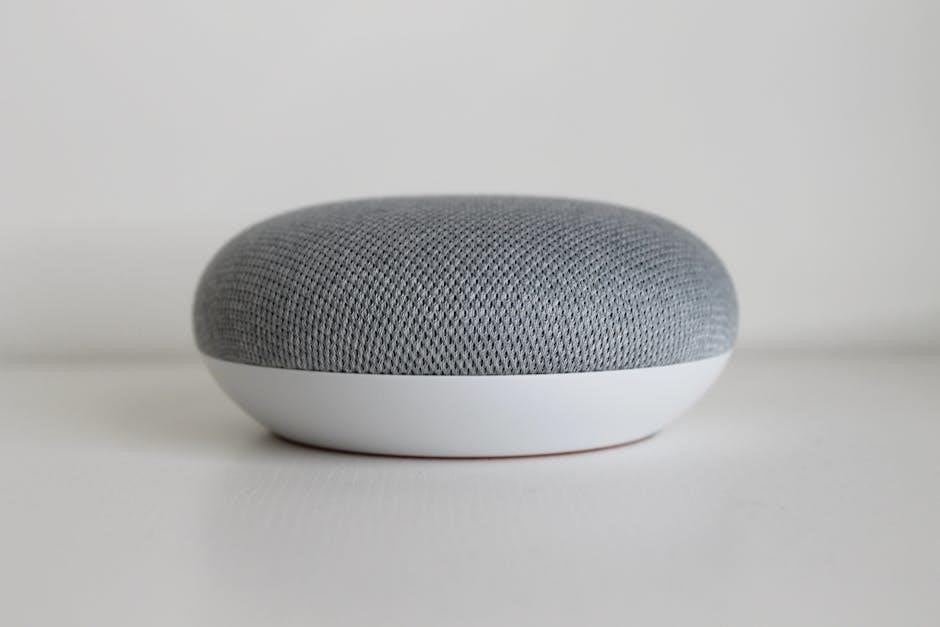
Setting Up Your Sound Logic Bluetooth Speaker
Initial setup is straightforward: unpack the speaker, charge it fully using the provided cable, and power it on․ Prepare for seamless wireless audio enjoyment!
Initial Charging and Powering On
Before first use, it’s crucial to fully charge your Sound Logic Bluetooth speaker․ Locate the charging port, typically a Micro-USB or USB-C port, on the speaker’s side or back panel․ Connect the provided USB charging cable to the speaker and a powered USB port – a computer USB port or a USB wall adapter will work․
During charging, an LED indicator will illuminate, often red or orange, signifying the charging process․ Once fully charged, the LED indicator will typically change to green or turn off completely․ A full charge usually takes between 2-4 hours, depending on the speaker model and the power of the USB port used․
To power on the speaker, locate the power button – it’s usually marked with a power symbol (⏻)․ Press and hold the power button for a few seconds until you hear a power-on chime or see an LED indicator light up․ The speaker is now ready for Bluetooth pairing and audio playback․ Ensure the speaker has sufficient charge for optimal performance․
Bluetooth Pairing with Devices
To pair your Sound Logic Bluetooth speaker with a smartphone, tablet, or other Bluetooth-enabled device, first ensure the speaker is powered on and in pairing mode․ Pairing mode is usually activated by pressing and holding the Bluetooth button – often indicated by a Bluetooth symbol (⏰) – until the LED indicator flashes rapidly, typically blue or white․
Next, on your device, navigate to the Bluetooth settings menu․ Enable Bluetooth if it’s not already on, and the device will begin scanning for available Bluetooth devices․ In the list of discovered devices, locate and select “Sound Logic Speaker” or a similar name․
You may be prompted to enter a pairing code; if so, enter “0000” (four zeros) or check the speaker’s documentation for the correct code․ Once successfully paired, the LED indicator on the speaker will usually change to a solid color or stop flashing; Your speaker is now connected and ready to play audio from your device!
Understanding the Control Buttons
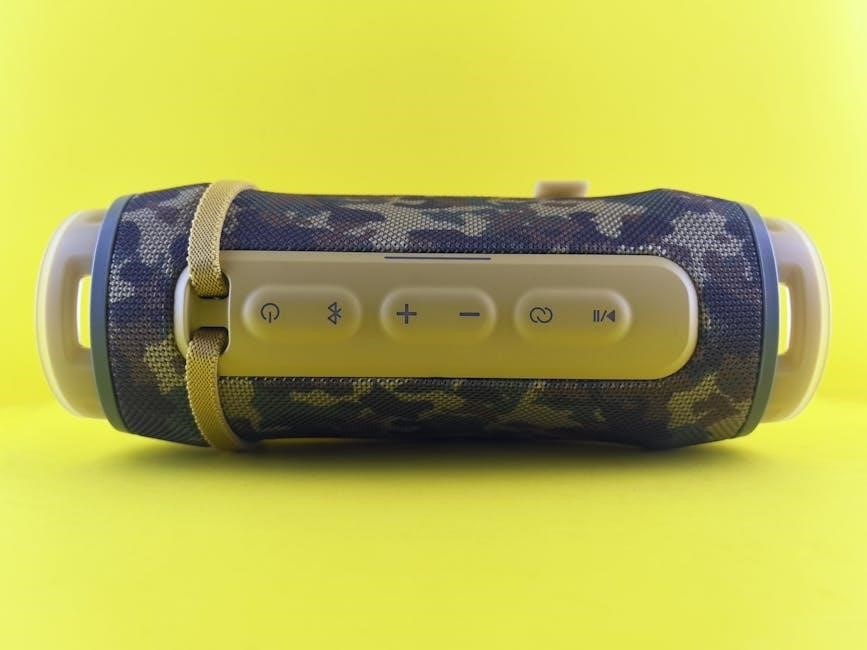
Your Sound Logic Bluetooth speaker features intuitive control buttons for seamless operation․ The power button, typically located on the side or top, turns the speaker on and off․ A long press usually initiates pairing mode․ Volume control buttons, marked with “+” and “-“, adjust the audio level; short presses incrementally increase or decrease volume․
A multi-function button often handles playback control – a single press typically plays or pauses music․ Double-pressing may skip to the next track, while triple-pressing could return to the previous track․ This button also manages calls; a single press answers an incoming call, and ends a current call․
Additionally, some models include a dedicated Bluetooth button for pairing and a microphone button for speakerphone functionality․ Refer to the diagram in this manual for precise button locations and functions specific to your Sound Logic speaker model․ Familiarizing yourself with these controls enhances your listening experience․
Using the Sound Logic Bluetooth Speaker
Enjoy wireless audio by connecting via Bluetooth․ Adjust volume using the dedicated buttons, and utilize the multi-function button for playback control and calls․
Adjusting Volume and Playback
Volume Control: The Sound Logic Bluetooth speaker features intuitive volume controls located on the unit’s exterior․ Typically, dedicated “+” and “-” buttons allow for precise volume adjustments․ Pressing the “+” button increases the volume incrementally, while the “-” button decreases it․ Be mindful of the maximum volume level to prevent potential hearing damage or speaker distortion․
Playback Control: Manage your audio playback directly from the speaker․ A multi-function button often serves as the central hub for playback operations․ A single press usually pauses or resumes music․ Double-pressing may skip to the next track, while triple-pressing could return to the previous track․ Some models include dedicated track skip buttons for added convenience․
Understanding Playback Indicators: Pay attention to any visual or auditory cues indicating playback status․ LED indicators might flash to confirm track skipping or provide low battery warnings․ Familiarize yourself with these signals for a seamless listening experience․ Ensure your connected device’s volume is also appropriately adjusted for optimal sound quality․
Answering and Making Calls
Incoming Call Management: When paired with a smartphone, the Sound Logic Bluetooth speaker functions as a hands-free calling device․ Upon receiving a call, the music will pause, and an audible ringtone will sound․ A designated button – often the multi-function button used for playback – answers the incoming call with a single press․ A longer press typically rejects the call․
Call Termination: To end an active call, press the same multi-function button again․ The speaker will then revert to music playback (if applicable) or enter standby mode․ Ensure the speaker is within a reasonable range of your smartphone for clear call quality and reliable connectivity․
Speakerphone Functionality: Utilize the built-in microphone for clear voice transmission during calls․ The speakerphone function allows for convenient hands-free communication․ Some models feature noise cancellation technology to minimize background distractions, enhancing call clarity․ Always prioritize safe usage and avoid excessively loud call volumes․
Utilizing the Speakerphone Function
Hands-Free Communication: The Sound Logic Bluetooth speaker excels as a speakerphone, enabling hands-free calls when paired with your smartphone․ Incoming calls automatically pause music playback, signaling an incoming connection with a distinct tone․ Answer calls by pressing the multi-function button once; reject with a longer press․
Microphone Positioning: For optimal call clarity, ensure the speaker’s microphone isn’t obstructed․ Speak directly towards the speaker, maintaining a moderate distance․ Background noise can impact call quality; use the speakerphone in a relatively quiet environment whenever possible․
Volume Control During Calls: Adjust the call volume using the speaker’s volume controls․ Some models offer dedicated call volume buttons․ Be mindful of the volume level to protect your hearing and ensure clear communication for both parties․ The speakerphone function provides convenience and safety while on calls․
Troubleshooting Common Issues
Common problems include pairing difficulties, poor sound, and power failures․ This section provides solutions for these issues, ensuring your Sound Logic speaker functions optimally and reliably․
Bluetooth Connection Problems
Difficulty pairing? First, ensure Bluetooth is enabled on both your speaker and the desired device․ Verify the speaker isn’t already connected to another device; it can only maintain one active connection at a time․ Try “forgetting” the speaker in your device’s Bluetooth settings and re-pairing it from scratch․
Connection unstable? Interference from other wireless devices, walls, or distance can disrupt the signal․ Move closer to the speaker and eliminate potential sources of interference․ Ensure both devices are within the Bluetooth range (typically around 33 feet/10 meters)․
Speaker not appearing in the device list? Restart both the speaker and your device․ Some devices require you to put the speaker into pairing mode by holding down the power or Bluetooth button until the indicator light flashes․ Check the speaker’s manual for specific pairing instructions․ If problems persist, a factory reset (consult the manual) might resolve the issue․ Finally, confirm your device’s Bluetooth is compatible with the speaker’s Bluetooth version․
Sound Quality Issues
Distorted or muffled audio? Lower the volume on both the speaker and your connected device․ Excessive volume can cause distortion․ Check the audio source; a low-quality file will naturally sound poor․ Ensure the speaker’s surface is stable and free from obstructions that might dampen the sound․
Weak bass? Some speakers have limited bass response․ Experiment with different audio equalization settings on your device (if available) to boost the bass frequencies․ Positioning the speaker near a wall or corner can sometimes enhance bass․
Uneven sound balance? If sound seems to come predominantly from one side, ensure the speaker is placed on a level surface․ Try rotating the speaker to see if the balance improves․ If using an auxiliary cable, verify it’s securely connected and not damaged․ A factory reset of the speaker, as detailed in the manual, can sometimes resolve internal audio processing issues․
Powering and Charging Problems
Speaker won’t turn on? First, confirm it’s adequately charged․ Connect the provided power adapter to a working outlet and the speaker’s charging port․ Allow several hours for a full charge, even if a charging indicator illuminates briefly․ If it still doesn’t power on, try a different power adapter and cable to rule out a faulty accessory․
Slow charging or won’t charge at all? Inspect the charging port for debris or damage․ Gently clean it with a soft, dry cloth․ Ensure the charging cable is securely connected at both ends․ Avoid using fast chargers not specifically recommended for the speaker, as they can potentially damage the battery․
Battery drains quickly? High volume levels and prolonged use will naturally reduce battery life․ Lower the volume and consider using the speaker with a power source when possible․ If the battery life has significantly decreased over time, it may be nearing the end of its lifespan and require replacement (if supported by the manufacturer)․
Advanced Features and Settings
Explore deeper customization options! Discover LED indicator meanings, audio equalization settings for personalized sound, and instructions for potential firmware updates to enhance performance․
Understanding LED Indicators
The Sound Logic Bluetooth speaker utilizes LED indicators to communicate its status effectively․ A solid blue light generally signifies a successful Bluetooth connection, indicating the speaker is paired and actively streaming audio from your device․ If the LED flashes blue, it means the speaker is in pairing mode, actively searching for a compatible device to connect with․ Ensure Bluetooth is enabled on your source device during this phase․
A red flashing light typically indicates a low battery level, prompting you to connect the speaker to a power source for recharging․ While charging, the LED may glow red steadily, transitioning to a different color (often blue or green) once fully charged․ A pulsating white light could signal an error or a temporary malfunction; consulting the troubleshooting section of this manual is recommended in such instances․
Furthermore, some models may incorporate additional LED behaviors․ For example, a brief white flash upon powering on confirms the speaker is initializing correctly․ Always refer to the specific LED behavior chart included with your Sound Logic speaker for the most accurate interpretation of its visual cues․ Understanding these indicators allows for quick diagnosis and efficient operation․
Exploring Audio Equalization Options
While the Sound Logic Bluetooth speaker is designed for convenient, out-of-the-box audio performance, some models offer limited equalization (EQ) options to tailor the sound to your preferences․ These options are typically controlled through the connected device – your smartphone, tablet, or computer – rather than directly on the speaker itself․ Access your device’s native EQ settings within its music player app or system-wide audio controls․
You can adjust frequencies to boost bass for a richer low-end, enhance mid-tones for clearer vocals, or sharpen treble for brighter highs․ Experiment with presets like “Rock,” “Pop,” “Classical,” or “Jazz” as starting points, then fine-tune the settings to match your listening tastes and the genre of music you’re enjoying․
Keep in mind that excessive equalization can sometimes introduce distortion, particularly at high volumes․ Start with subtle adjustments and gradually increase them until you achieve the desired sound․ If your device lacks a built-in EQ, consider downloading a third-party audio enhancement app from your app store․ These apps often provide more granular control over the sound profile․
Firmware Updates and Maintenance
To ensure optimal performance and access to the latest features, periodically check for firmware updates for your Sound Logic Bluetooth speaker․ These updates, released by the manufacturer, often include bug fixes, improved Bluetooth compatibility, and enhanced audio quality․ The update process typically involves downloading a file from the Sound Logic website and transferring it to the speaker via a USB connection․
Refer to the speaker’s manual or the manufacturer’s website for detailed instructions on how to perform a firmware update․ It’s crucial to follow these instructions carefully to avoid damaging the speaker․ During the update process, do not power off the speaker or disconnect it from the power source․
Regular maintenance involves keeping the speaker clean and dry․ Avoid exposing it to extreme temperatures or humidity․ Periodically wipe down the exterior with a soft, damp cloth․ Store the speaker in a cool, dry place when not in use․ Proper care will extend the lifespan of your Sound Logic Bluetooth speaker and maintain its performance․
Safety and Maintenance
Always operate within safe volume levels to prevent hearing damage․ Keep the speaker dry, away from heat, and clean with a soft cloth for longevity․
Precautions for Safe Usage
To ensure safe and enjoyable use of your Sound Logic Bluetooth speaker, please adhere to the following precautions․ Avoid exposing the speaker to extreme temperatures, including direct sunlight or heat sources, as this can damage internal components and potentially pose a fire hazard․ Never disassemble or attempt to repair the speaker yourself; unauthorized modifications will void the warranty and could result in electric shock․
Protect the speaker from moisture and liquids․ Do not use it in humid environments like bathrooms or near swimming pools․ If the speaker gets wet, immediately disconnect all power sources and allow it to dry completely before attempting to use it again․ Always handle the speaker with care, avoiding drops or impacts that could cause physical damage․
Listen at comfortable volume levels․ Prolonged exposure to loud sounds can cause hearing damage․ Be mindful of your surroundings when using the speaker, ensuring it doesn’t disturb others․ Do not cover the speaker during operation, as this can cause it to overheat․ Use only the provided power adapter and cable to charge the speaker, and disconnect it from the power source when not in use․ Finally, keep the speaker out of reach of small children and pets․
Cleaning and Storage Guidelines
To maintain the appearance and functionality of your Sound Logic Bluetooth speaker, regular cleaning is recommended․ Before cleaning, always disconnect the speaker from any power source․ Use a soft, dry cloth to wipe down the exterior surfaces․ Avoid using abrasive cleaners, solvents, or excessive moisture, as these can damage the finish or internal components․
For stubborn dirt or grime, lightly dampen the cloth with water and gently wipe the affected area․ Ensure the cloth is only slightly damp, and never spray water directly onto the speaker․ Pay particular attention to the control buttons and speaker grille, removing any dust or debris that may accumulate․
When storing the speaker for extended periods, it’s best to keep it in a cool, dry place, away from direct sunlight and extreme temperatures; Consider using the original packaging or a protective case to prevent scratches or damage․ Avoid storing the speaker in humid environments․ Before long-term storage, it’s advisable to charge the battery to approximately 50% to maintain its health․ Regularly check the battery level during storage and recharge as needed․
Warranty Information and Support
Sound Logic provides a limited warranty against defects in materials and workmanship for a period of one year from the date of original purchase․ This warranty covers normal use and does not extend to damage caused by misuse, accidents, unauthorized modifications, or natural disasters․ Proof of purchase is required for all warranty claims․
To initiate a warranty claim, please contact Sound Logic customer support through our official website or by phone․ Our support team will guide you through the process and provide instructions for returning the speaker for inspection or repair․ Shipping costs for warranty returns are the responsibility of the customer․
For additional support, including frequently asked questions, troubleshooting tips, and software updates (if applicable), please visit our online support portal․ We also offer email support for more complex issues․ Sound Logic is committed to providing excellent customer service and ensuring your satisfaction with our products․ Retain your purchase receipt and this manual for future reference․ Contact information is available on our website․